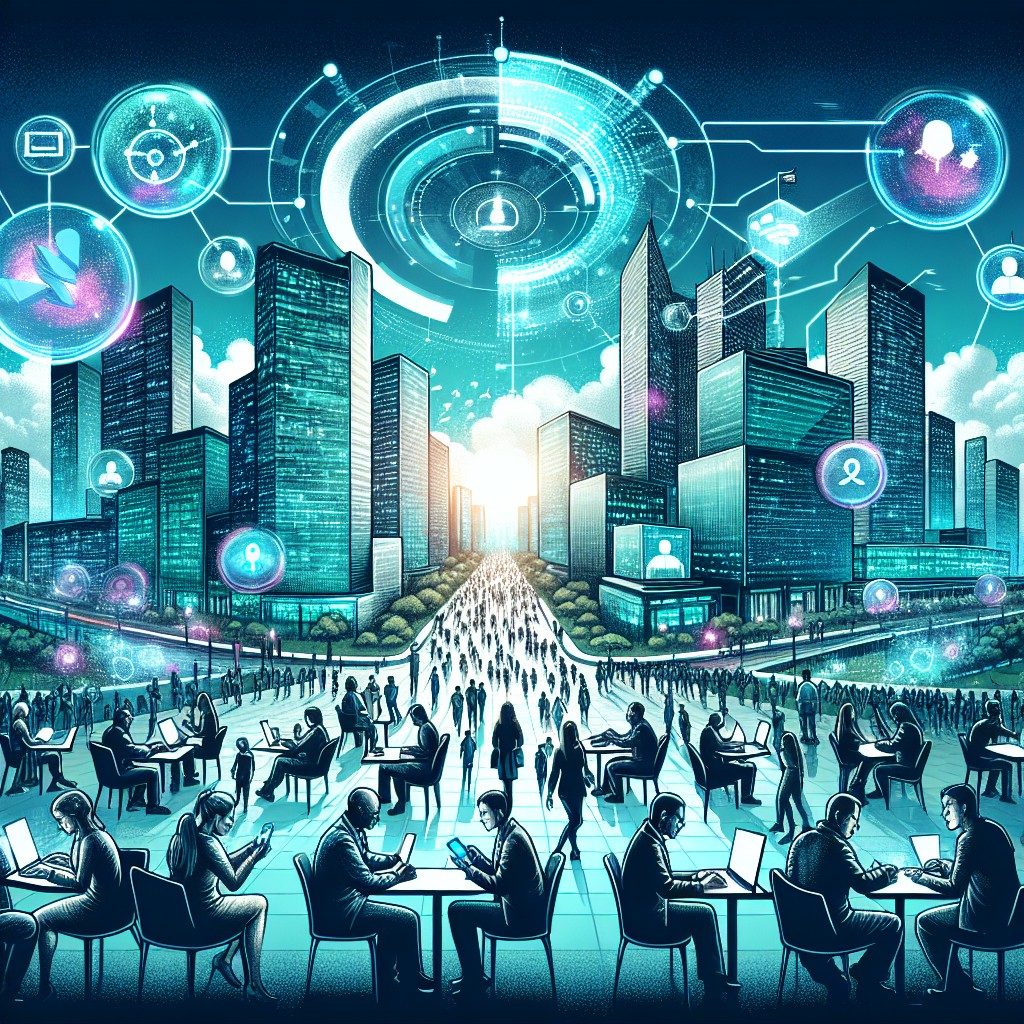
Across the globe, the rapid growth of data centers is prompting significant changes in electricity policies. These facilities, essential for maintaining digital infrastructure, demand substantial power supply, challenging existing power grids and compelling governments and utilities to rethink energy strategies.
The rising energy demand from data centers
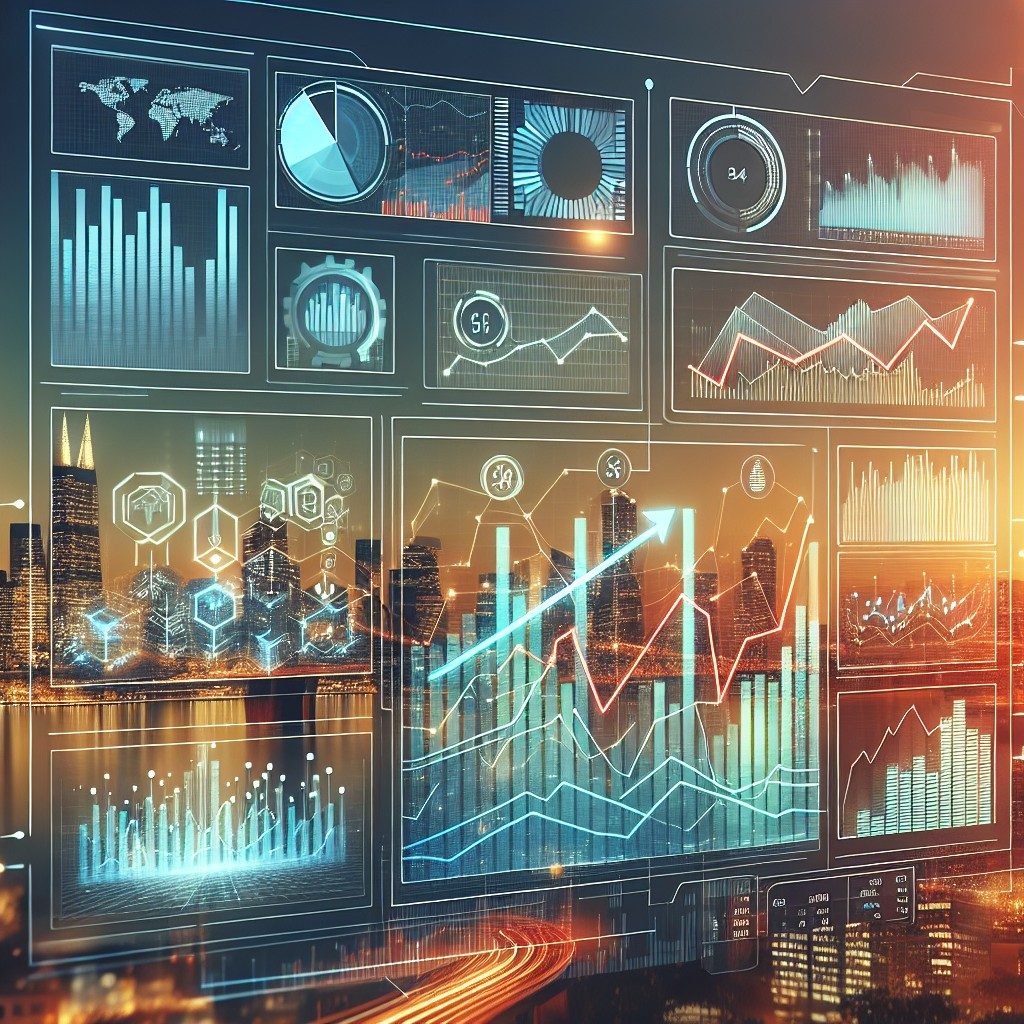
Data centers are the backbone of internet services, cloud computing, and digital communications. As digitalization accelerates, these centers consume increasing amounts of electricity to power servers, cooling systems, and backup operations. Globally, electricity consumption attributed to data centers has grown considerably in recent years, influencing national energy demand forecasts and requiring utilities to adjust capacity planning accordingly.
Impact on power grid stability and capacity
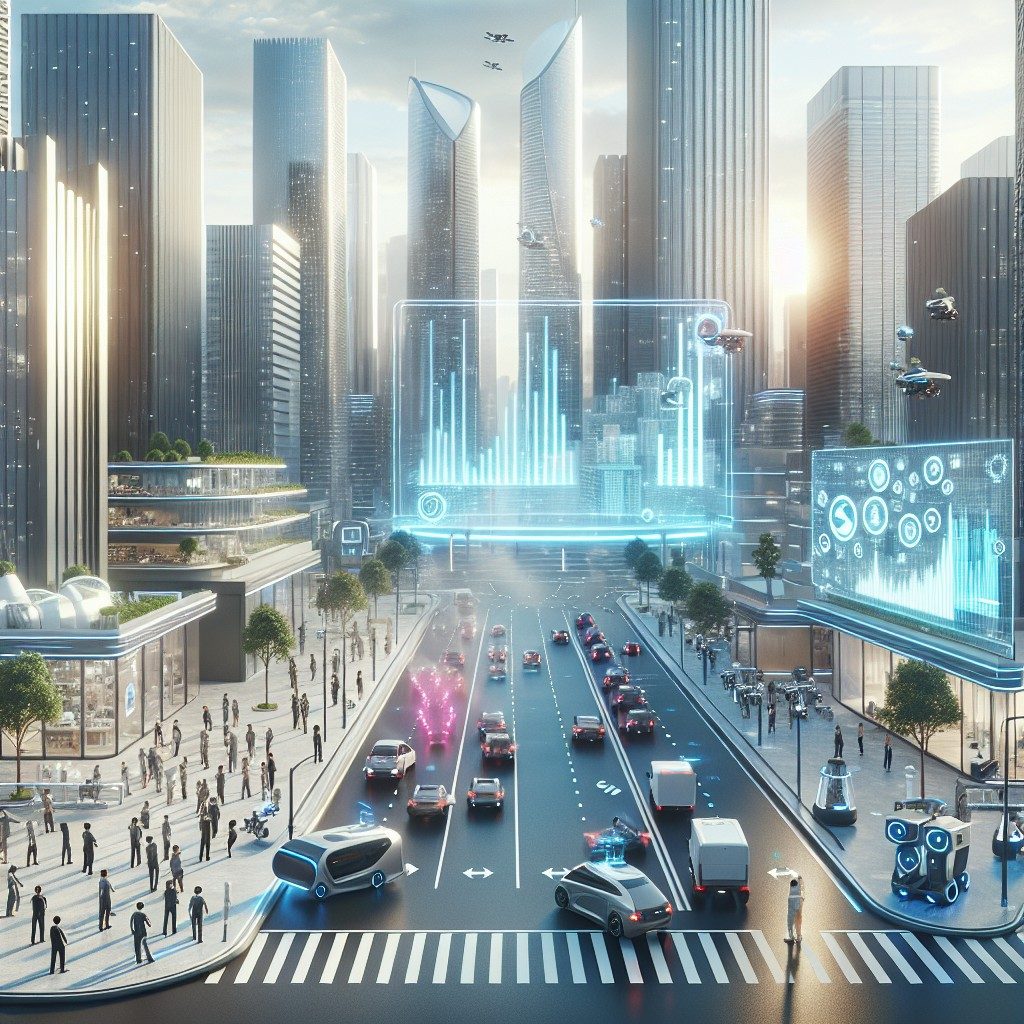
The substantial energy consumption of data centers can strain local power grids, especially when numerous facilities cluster in particular regions. This pressure can lead to concerns about grid reliability and peak demand management. Some power grids initially designed without considering such concentrated loads are undergoing upgrades to accommodate the surging electricity use. These efforts include reinforcing infrastructure and implementing advanced grid management technologies to maintain stability.
Policy adaptations for sustainable energy integration
Recognizing the environmental impact of the increasing power use, many governments are revising electricity policies to encourage energy efficiency and the integration of renewable energy in data center operations. Initiatives often involve incentivizing the use of green power, mandating efficiency standards, and promoting innovative cooling solutions. This evolution aligns with broader commitments to reduce carbon emissions and support sustainable development goals.
The role of regulatory frameworks and incentives
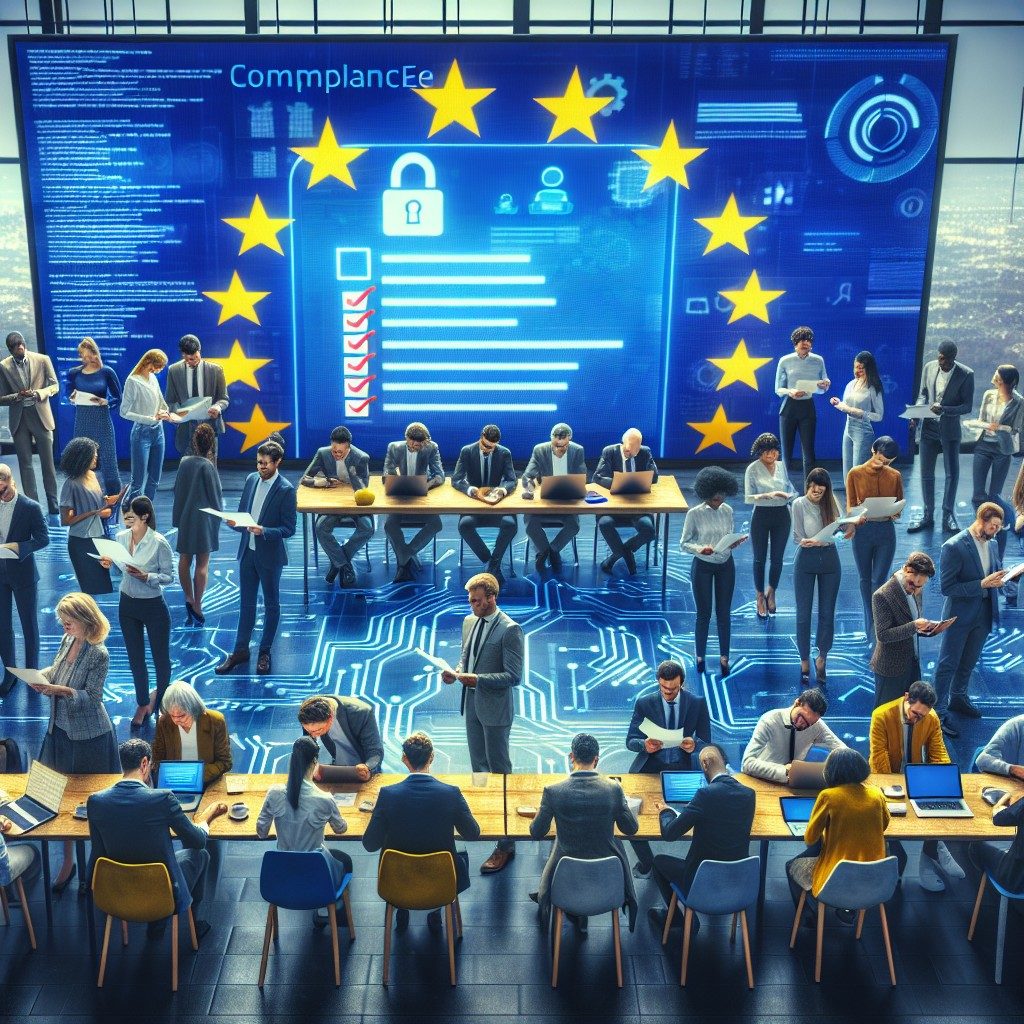
Regulatory bodies worldwide are adapting frameworks to manage the interplay between data centers and electricity systems effectively. Policies now often include requirements for transparency in energy consumption, incentives for investments in onsite renewable generation, and mechanisms to ensure fair electricity pricing. These measures aim to balance the economic benefits of data centers with the need for grid resilience and environmental protection.
Global examples of shifting electricity policies
Countries such as the United States, Germany, and Singapore have already introduced new regulations addressing data center energy use. In the US, for instance, some states have implemented demand response programs to manage data center loads during peak times. Germany’s policies promote renewable energy sourcing for data centers, while Singapore focuses on energy efficiency targets. These approaches reflect a growing recognition of the critical relationship between data centers and power grids in policymaking.
Conclusion
The increasing prominence of data centers as major electricity consumers is reshaping global electricity policies. Governments and energy providers are responding by updating regulations, enhancing infrastructure, and pushing sustainability initiatives. This trend is expected to continue as digital transformation advances, requiring coordinated efforts to ensure reliable, efficient, and environmentally responsible power supply for data centers worldwide.
Frequently Asked Questions about data centers
What impact do data centers have on electricity consumption?
Data centers significantly increase electricity consumption due to the power needed for servers and cooling systems, influencing overall energy demand in regions where they are located.
How are power grids adapting to the rise of data centers?
Power grids are undergoing upgrades and adopting smart management technologies to handle the concentrated and growing load that data centers impose on electricity networks.
Why are electricity policies changing because of data centers?
Electricity policies are evolving to address the sustainability, efficiency, and grid stability challenges posed by the high energy demands of data centers.
What measures encourage sustainable energy use in data centers?
Policies often promote renewable energy adoption, energy efficiency standards, and incentives for green technologies in data centers to reduce their environmental footprint.
Can data centers influence future energy infrastructure planning?
Yes, the rapid expansion of data centers is a key factor in energy infrastructure planning, affecting decisions on capacity, grid upgrades, and renewable integration.